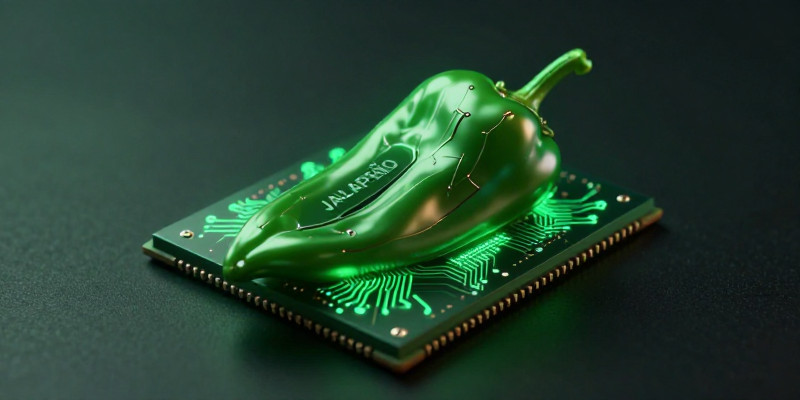
On 24 June 2026, OpenAI showed off its first custom silicon chip, code-named "Jalapeño." The chip was designed together with Broadcom, one of the world's leading semiconductor partners. Until now, OpenAI relied almost entirely on Nvidia GPUs to run its models. With Jalapeño, the company is taking a real step toward making its own inference hardware.
The chip is built specifically for inference, which means running trained models quickly and cheaply, rather than training them. OpenAI says the design focuses on two things: lowering the cost of serving millions of users and reducing dependence on a single supplier. When you depend on one chip vendor, prices and supply chains can become a serious risk. A custom chip gives OpenAI more control.
Why does this matter for ordinary users? Cheaper inference means ChatGPT and similar products can stay affordable even as usage grows. It also means OpenAI can keep more of the economics inside its own business instead of paying margins to outside vendors. Analysts note that the math only works at huge scale, and OpenAI is one of the few companies with enough traffic to justify a custom chip program.
The wider signal is just as important. Large AI labs are no longer happy being only software companies. They are becoming hardware companies too. Google, Amazon, and Meta already build their own chips. Now OpenAI joins that list. Expect more labs to follow, because chips are becoming a core part of how AI companies compete on price, speed, and independence.
For the industry, Jalapeño is a sign that the next phase of the AI race will be fought not only with smarter models, but with better, cheaper, and more specialized hardware underneath them.