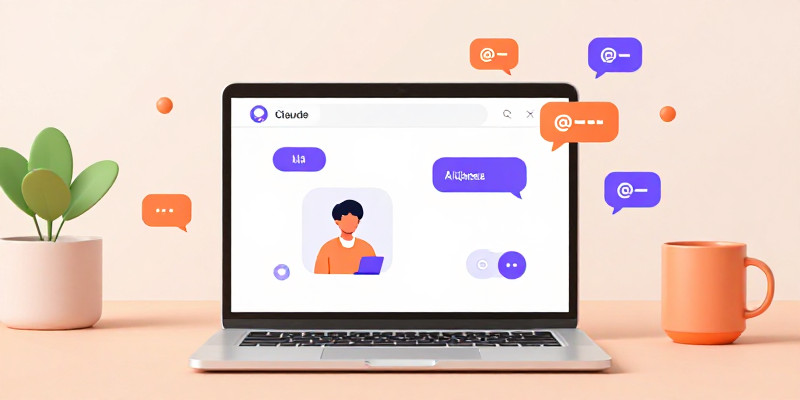
Between 23 and 24 June 2026, Anthropic launched a new way for its Claude assistant to work inside Slack. The feature, often called Claude Tag, lets employees mention Claude in a Slack thread the same way they would mention a colleague. Claude can then read the conversation, answer questions, draft replies, and take small actions without leaving the chat.
This is part of a bigger trend: AI agents moving from standalone apps into the tools people already use every day. Most workers do not want to switch between a chatbot tab and their main communication tool. By living inside Slack, Claude can help with the actual work happening in real time, such as summarizing a long thread, pulling information from connected documents, or writing a first draft of a response.
Anthropic says Claude Tag is designed to learn the context of a company over time. It can pick up on how a team writes, which projects matter, and which people own which topics. The company stresses that administrators keep control over what Claude can see and do, which matters for organizations worried about sensitive data leaking into a model.
The launch is also a competitive move. Microsoft and Google are embedding their own assistants into workplace software, and OpenAI is pushing ChatGPT deeper into enterprise tools. Anthropic's advantage here is Slack itself, owned by Salesforce, which remains one of the most widely used workplace platforms.
For employees, the promise is less busywork. For employers, the promise is productivity without a big disruption to existing habits. The risk, as with any workplace AI, is over-reliance: agents can be confident but wrong. Anthropic's bet is that keeping humans in the loop inside familiar tools is the best way to bring AI into daily work safely.