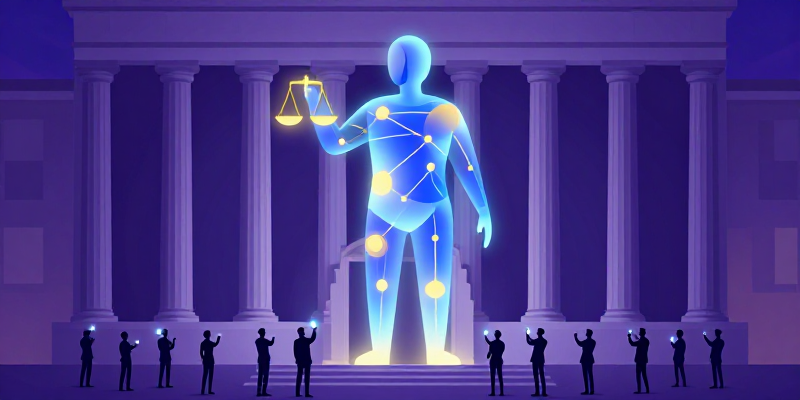
Anthropic, the artificial intelligence company behind the Claude chatbot, is reportedly preparing for a historic initial public offering valued at two trillion dollars. If the listing moves forward at that scale, it would rank among the largest public debuts in corporate history and would place extraordinary attention on the company’s unusual governance structure. Unlike most tech firms, Anthropic has appointed powerful external trustees who are supposed to ensure that commercial interests do not override safety concerns as the company pursues more powerful AI systems.
The San Francisco startup has long promoted itself as a safety-first alternative to other frontier labs, embedding a long-term benefit trust into its corporate charter to protect its mission. Going public would dramatically widen its pool of investors and subject those governance choices to relentless scrutiny from Wall Street analysts, activist shareholders, and regulators. The central question is whether a publicly traded company can genuinely prioritize caution and ethics while facing quarterly pressure for growth and profit.
A two trillion dollar valuation would also signal that investors believe AI services are becoming foundational infrastructure for the global economy rather than a niche software category. It suggests that the market expects Claude and future products to become as essential as search engines or cloud computing in the coming years. However, such a massive valuation brings equally massive expectations, and any stumble in revenue or safety performance could trigger significant volatility.
In the months ahead, observers will watch closely to see how Anthropic’s trustees exercise their authority once public shareholders are involved. The IPO could become a test case for whether public markets can tolerate corporate structures that deliberately limit pure profit-seeking in favor of broader social responsibility. If successful, it may encourage other AI labs to adopt similar safeguards. If the structure crumbles under market pressure, critics will argue that profit and public safety are fundamentally incompatible in the open market.