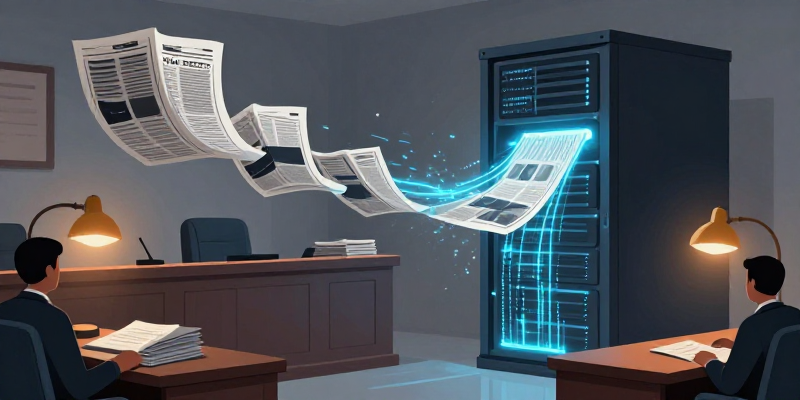
Two major American newspapers have filed a lawsuit against OpenAI and Microsoft, adding to the growing legal pressure on the tech giants. The Seattle Times and Newsday claim the companies used their copyrighted articles without permission to train artificial intelligence models. They join a long list of publishers who have taken similar legal action in recent months.
The lawsuits argue that OpenAI and Microsoft copied millions of news stories to build chatbots and other AI tools that now compete with the very same publications. Newspaper leaders say this practice undermines their business by taking valuable content without payment and using it to create products that draw readers and revenue away from original journalism. They also worry that AI summaries replace the need to visit news websites directly.
This legal fight is part of a much larger battle over how AI companies gather the text they need to train large language models. Publishers argue that using their work without a license is clear copyright infringement. The tech companies generally defend their actions by claiming that training AI falls under fair use, a legal standard that allows limited use of copyrighted material for transformative purposes.
The outcome of these cases could reshape the relationship between AI developers and the news industry. If courts side with the publishers, AI companies might be forced to pay large licensing fees or stop using certain datasets. That could slow down model development and raise costs for consumers. On the other hand, if the tech companies win, it could become even harder for newsrooms to protect their content online.
So far, no major case has reached a final verdict, but each new lawsuit increases the pressure on both sides to reach a settlement or clarify the rules. For everyday readers, the dispute could eventually affect the quality and availability of both news and AI tools.