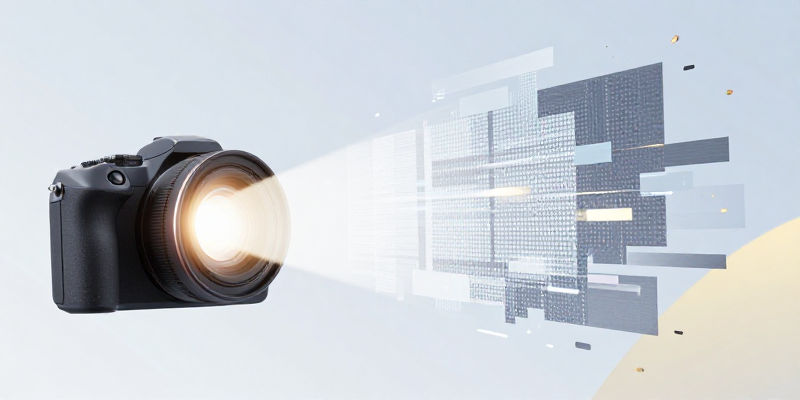
Apple is trying to solve a growing problem in the age of artificial intelligence: knowing whether a photograph is real. The company announced a new feature called Reference Image for its upcoming iPhone 18 Pro models, designed to help users prove that a photo came straight from the camera and was not altered or generated by AI.
The feature works by using a special camera sensor to digitally sign every pixel it captures. When you place the phone into Reference mode, the device records raw signed sensor data at the exact moment you press the shutter. That data is then processed through Apple’s Private Cloud Compute system to create what the company calls an unalterable reference image. You can view this secure original in your Photos app and compare it side by side with edited or shared versions of the picture to spot any changes or artificial manipulation.
This matters because AI-generated and AI-edited images are now everywhere. Social media feeds, news reports, and even personal messages are flooded with pictures that look authentic but are entirely fabricated. Trust in digital photography is eroding quickly, and most people have no easy way to check if what they are seeing is genuine. By offering a built-in verification tool, Apple is giving everyday users a practical way to separate real memories from digital illusions without needing any technical expertise.
The feature will only be available on the iPhone 18 Pro and Pro Max when they arrive later this month. There are still important questions about how the reference image will hold up once a photo is uploaded to social media platforms or sent through messaging apps, since those services often compress, crop, or resize files in ways that could break the verification chain. Some critics also worry that determined bad actors could eventually find ways to fake the signatures or exploit the system. Still, if the technology proves reliable in everyday use, it could set a new industry standard and pressure other camera makers and tech platforms to build similar protections into their own devices.