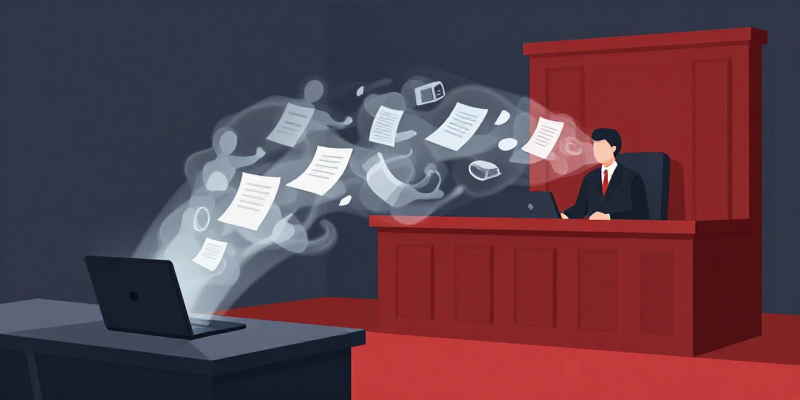
A New Mexico lawyer has been fined five thousand dollars by the state's Supreme Court after he submitted a legal brief written with the help of artificial intelligence that included completely made-up evidence. The court also held the attorney, Stephen Aarons, in contempt for failing to check the facts in the document before filing it as part of a murder appeal.
The AI-generated brief contained serious falsehoods. According to the court, it included testimony from witnesses who did not exist, fabricated police statements, and incorrect details about what the shooter was wearing and looked like. These were not minor errors; they were invented details that had no basis in the actual case record. Because this was a murder case, the false information could have affected decisions about a person's conviction and sentence.
Aarons told the court that he did not realize artificial intelligence could hallucinate facts. His statement highlights a dangerous gap in understanding among some professionals who are turning to AI tools for high-stakes work. Large language models are known to generate confident but false information, yet this case shows that some users still trust them blindly without basic verification.
This ruling matters because it sends a clear message to the legal profession. Courts expect attorneys to verify every claim they submit, regardless of whether a computer helped draft the document. As AI tools become more common in law offices, judges are increasingly likely to punish lawyers who let unchecked machine outputs enter official records. Moving forward, legal experts expect more courts to require lawyers to disclose when they use AI and to independently confirm every fact. The case serves as a costly warning that human oversight remains essential when lives and freedom are on the line.