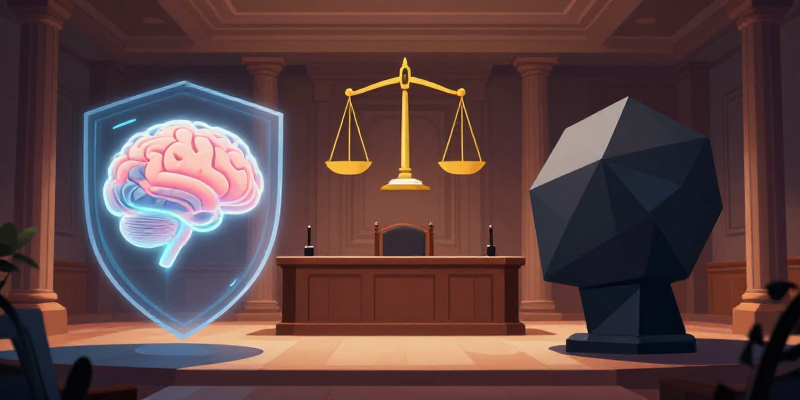
A United States court has ruled that the Pentagon can blacklist artificial intelligence company Anthropic because of how it limits its Claude AI system. The decision follows Anthropic's refusal to enable certain Claude features for military use. Judges sided with defense officials who argued that overly constrained AI models could cause military operations to fail.
The ruling creates a direct conflict between AI safety policies and national security demands. Anthropic has built its name on strong safeguards and ethical caution. By refusing to loosen those protections for defense purposes, the company now risks losing access to federal contracts.
This case matters for the entire AI industry because it sets a legal precedent. If a company can be excluded from government business because its safety guardrails are too strict, other labs may face similar pressure. Firms could be forced to choose between maintaining ethical limits and keeping lucrative military deals.
The decision also raises a difficult question about who should control the boundaries of AI. Should defense agencies have access to the most powerful models without restrictions? Or should AI companies be allowed to say no to uses they consider too risky? The court has answered by backing the Pentagon, but the larger debate is far from over.
Anthropic has not said whether it will appeal the ruling or adjust its policies. Either way, the decision will likely shape how AI companies negotiate government contracts and design safety rules in the future.